
Why Routine Matters Most in the Early Stages of Crisis
When crisis hits, clarity disappears first. The nervous system goes into shock, decision-making narrows, and survival takes over. In this early stage, routine is not about discipline or productivity—it’s about stability. The right routine creates a predictable structure when everything else feels uncertain, preventing short-term coping from becoming long-term damage. This is where resilience begins: not through motivation, but through grounded, repeatable actions that restore safety and allow the system to reorganize under pressure.
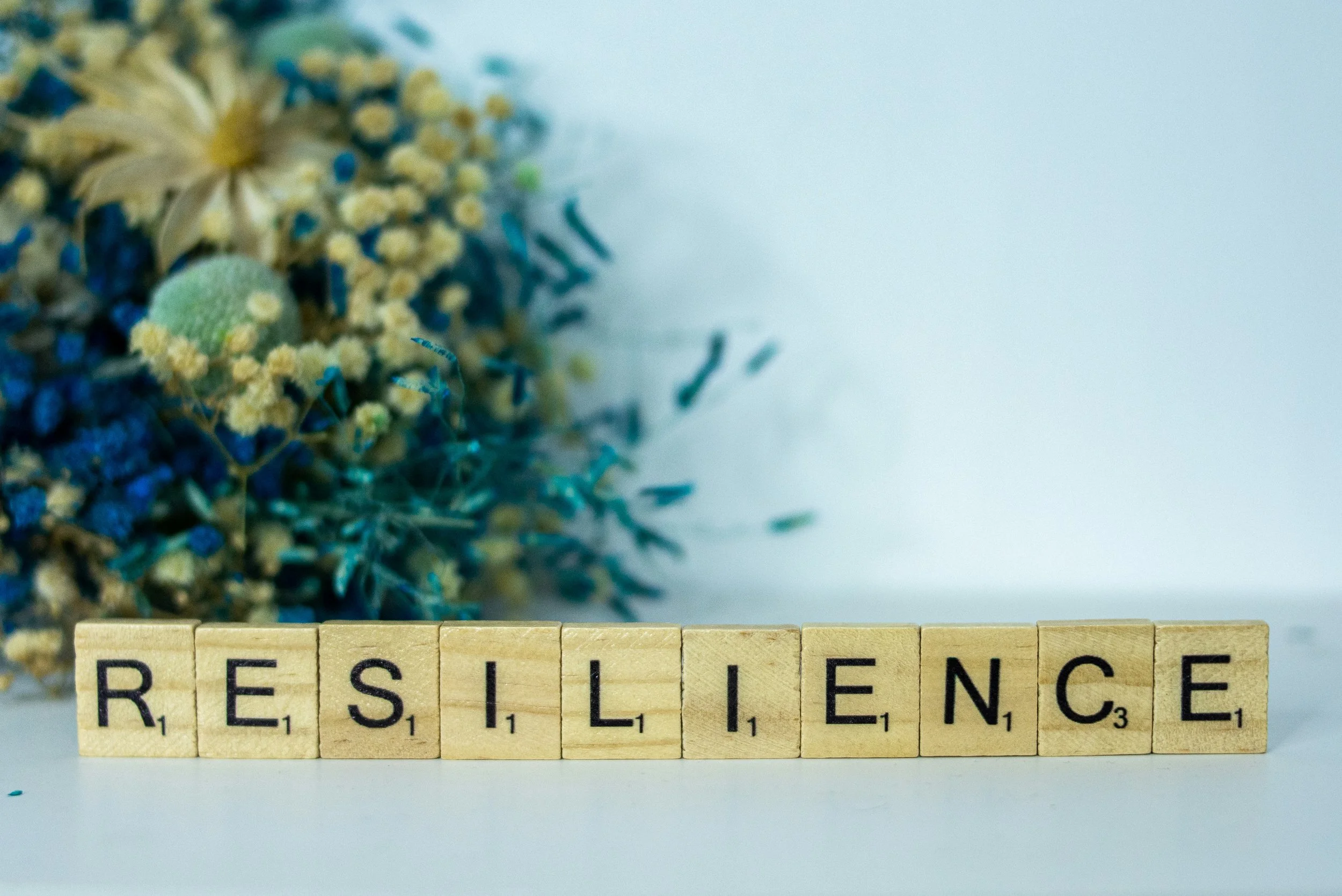
Why Resilience Is Built Through Crisis, Not Comfort
Resilience is not a mindset you adopt or a trait you declare. It is a developmental capacity formed when crisis dismantles familiar structures and demands adaptation. In moments of disruption, resilience emerges through reorganization—not optimism—allowing individuals to metabolize hardship without becoming rigid or bitter. This is how crisis becomes formative rather than destructive, and why resilience is earned through lived experience, not imagined strength.